


1 in 3 Australians Will Get Shingles. Why It Matters More As We Get Older
Many Australians are surprised to learn that shingles isn’t just a rare illness, or something that only affects “very elderly” people. For anyone over 60 who has ever had chickenpox, shingles is a real and increasingly common health risk and one that can have lasting effects on comfort, independence, and quality of life.
What is shingles?
Shingles (herpes zoster) is caused by the reactivation of the chickenpox virus, which can remain dormant in the body for decades. When the immune system weakens something that naturally happens as we age the virus can reactivate, causing a painful blistering rash and nerve inflammation.
Why the risk increases after 60
Age is the strongest risk factor for shingles. As immune protection declines, the body becomes less able to keep the virus suppressed. Illness, stress, and certain medications can further increase the risk, making shingles far more common in people over 60.
Complications can be serious
For older adults, shingles is not always a short-lived condition. Complications may include:
• Post-herpetic neuralgia (PHN): persistent nerve pain that can last months or years
• Eye involvement: which can threaten vision if shingles affects the face or eye
• Hearing or balance problems: when nerves around the ear are involved
• Secondary skin infections
• Hospitalisation: due to severe pain or complications
These complications are more frequent and often more severe in older people.
Impact on daily life
The pain associated with shingles can disrupt sleep, limit mobility, and interfere with normal daily activities. For some people, this leads to reduced independence, increased falls risk, and a decline in mental wellbeing, including anxiety or low mood.
Prevention and protection
Increasingly, older Australians are choosing to protect themselves through the free* government-funded shingles vaccination program, which significantly reduces both the risk of shingles and the severity of complications if it does occur. Vaccination is the most effective way to lower the chance of developing shingles and its long-term effects.
When to seek medical advice
Early treatment with antiviral medication can reduce the severity and duration of shingles if started promptly. Anyone over 60 who develops a painful rash, tingling, or unexplained nerve pain should seek medical advice as soon as possible.
Talk to your GP about your individual risk of shingles and whether vaccination is right for you. Prevention can help protect your health, comfort, and independence as you age.
* Free Shingles vaccine eligibility : people over 65 years, Aboriginal and Torres Strait Islander people over 50, people over 18 at high risk
This information is general in nature and is not intended to replace individual medical advice.
More insights from the experts

Online Peptides Promise Fast Results - But What Are You Actually Buying?

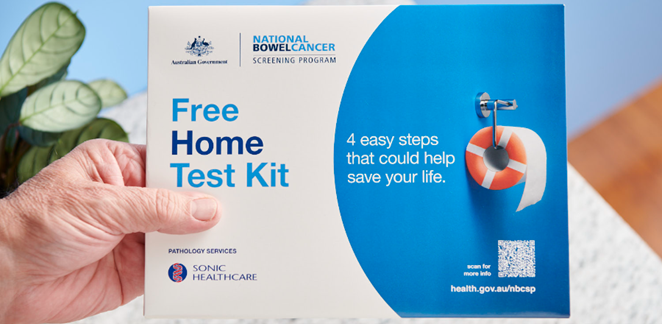
The Bowel Screening Kit You Should Not Leave in the Cupboard


